

High-Visibility Clothing (Hi-Vis): Safety, Regulations, and Visibility Risks in Twilight
Why is High-Visibility Clothing (Hi-Vis) Essential for Your Safety?
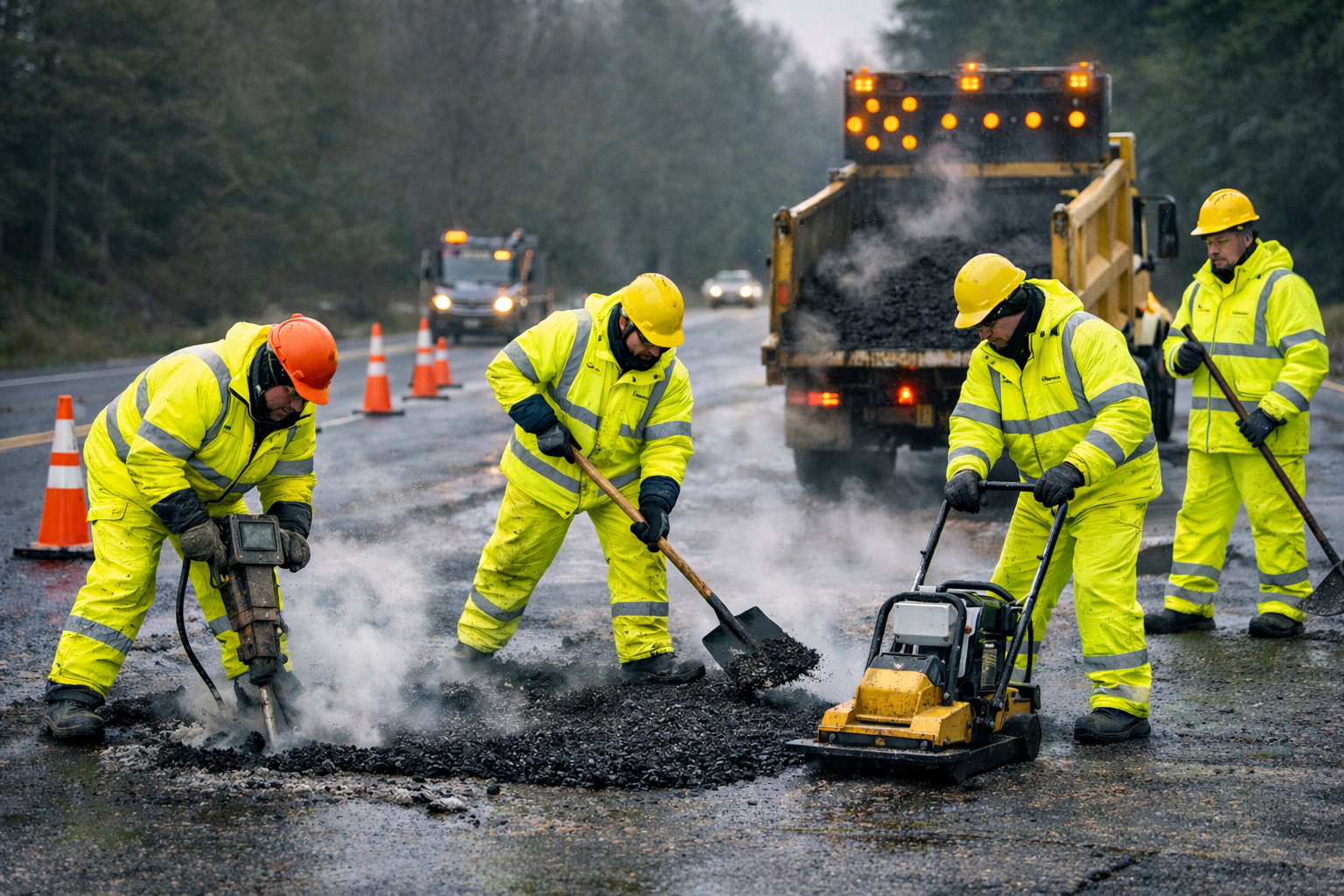
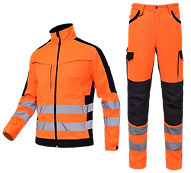
High-visibility clothing, or Hi-Vis clothing, is one of the most important pieces of Personal Protective Equipment (PPE) in the work environment. It ensures that a worker is clearly noticeable both during daylight hours and in twilight or darkness. In professional sectors such as construction, road works, logistics, port terminals, and forestry, visibility is a critical factor that significantly impacts safety. Visibility changes faster than people typically realize. Cloudy weather, rain, snow, fog, or twilight significantly reduce the ability to spot a human silhouette in time. This is precisely why Hi-Vis clothing is not just a requirement — it is a safety element with the potential to prevent serious injuries and save lives.
Visibility Risks in Twilight and Dark Daylight Hours
Twilight and the early morning hours are the most dangerous times for workers and pedestrians. Many accidents occur precisely when:
- The contrast between a person and the surrounding surfaces becomes very low, making the person almost invisible.
- Vehicle drivers notice a person too late because the silhouette blends into the background or with moving objects.
- Insufficient lighting in warehouses and work areas creates conditions similar to a dark road — a worker without reflective elements is difficult to notice.
- Fog, rain, and snow absorb light, further reducing visibility.
Hi-Vis clothing with fluorescent materials and high-quality retro-reflective elements ensures that workers are noticed in time — even in complex weather conditions or under minimal lighting.
Certified Hi-Vis Clothing According to European Protection Standards
To guarantee sufficient protection, high-visibility clothing is manufactured and tested according to strict EU standards:
EN ISO 20471:2013 + A1:2016
The main standard for high-visibility clothing, which defines requirements regarding:
- The area and quality of the reflective material,
- The properties of the fluorescent fabric,
- Visibility under different lighting conditions,
- The classification of protection by class (Class 1, 2, and 3).
EN 17353
A standard applicable for work with medium-level risks, where additional visibility provision is required.
Hi-Vis Clothing Regulations in Latvia and the European Union
To protect workers from the risk of not being seen, regulatory acts establish the duty to use appropriate personal protective equipment:
The Labour Protection Law in Latvia stipulates the employer's duty to assess risks and provide suitable protective clothing, including Hi-Vis clothing.
Cabinet Regulation No. 372
"Regulations on the Use of Personal Protective Equipment at Work"
Clarifies that high-visibility clothing must be used in situations where a worker going unnoticed could cause accidents.
EU Regulation (EU) 2016/425 on Personal Protective Equipment
The Regulation sets requirements for the design, manufacture, and certification of PPE, ensuring that only safe and tested Hi-Vis products reach the market.
Safety Starts with Visibility
High-visibility clothing is an essential safety element for anyone working in a high-risk environment. Its use helps prevent accidents by ensuring a person is clearly visible during the day, at night, and in conditions of limited visibility. Reduce risks by choosing reliable and high-quality Hi-Vis clothing — safety starts where visibility is guaranteed.